
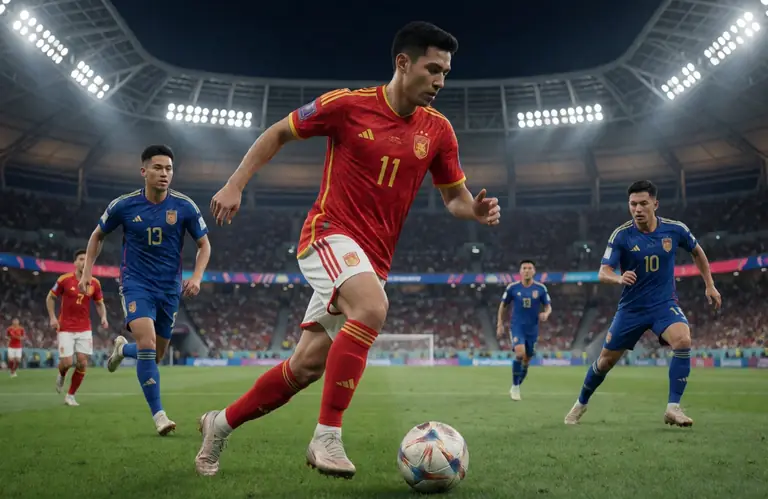
The Unseen Battle: Injuries and Their Profound Impact on the Beautiful Game
The roar of the crowd, the thrill of a last-minute goal, the sheer spectacle of the beautiful game – these are the hallmarks of the World Cup. Billions across the globe tune in, captivated by the athleticism, drama, and national pride on display. But beneath the surface of dazzling plays and heroic performances, there’s another, often brutal, reality that can dramatically alter the course of the tournament: player injuries. These setbacks can derail careers, crush national hopes, and force coaches to rethink their entire strategy on the fly. Keeping track of injury updates becomes paramount for fans, analysts, and coaches alike, as every twist and turn can shift the balance of power, redefine expectations, and even create unexpected heroes.
For any team aspiring to lift the coveted trophy, having a fully fit squad is not just an advantage; it’s often half the battle won. The physical demands of modern football, especially at the elite level of the World Cup, are immense and relentless. Players are pushed to their absolute limits, often playing multiple high-intensity matches in a short span, frequently with minimal recovery time in between. This relentless schedule, combined with the immense pressure of representing their nation on the biggest stage, creates a fertile ground for injuries. From debilitating hamstring strains to career-threatening torn ligaments, concussions to complex fractures, the list of potential ailments is long, varied, and ever-present. Staying on top of Soccer World Cup Injury Updates provides crucial, real-time insights into a team’s potential strengths, vulnerabilities, and tactical flexibility.
Understanding the Diverse Types of Injuries Affecting World Cup Stars
The nature of injuries in football can broadly be categorized into two principal types: traumatic and overuse. Distinguishing between these is key to understanding recovery timelines and potential long-term impacts. Traumatic injuries often result from direct contact, awkward falls, or sudden, explosive movements that exceed the body’s structural limits. Think about a crunching tackle leading to a severe ankle sprain, a goalkeeper colliding violently with an opponent resulting in a head injury, or a player landing awkwardly after an aerial challenge. Overuse injuries, on the other hand, develop insidiously over time due to repetitive stress on muscles, tendons, or joints, often exacerbated by insufficient rest or improper training loads. These are frequently more difficult to diagnose initially and can be more persistent, sometimes forcing players out of action for extended periods. Keeping tabs on injury updates means distinguishing between these types and understanding their specific recovery protocols and timelines.
- Muscle Strains and Tears: These are arguably the most common and frequently occurring injuries in football, especially affecting the powerful muscle groups such as hamstrings, quadriceps, and groin muscles. High-speed running, sudden changes in direction, explosive acceleration, and powerful shots all contribute significantly to this risk.
- Ligament Damage: The knees and ankles are particularly vulnerable joints due to the dynamic nature of the sport. ACL (anterior cruciate ligament) tears in the knee are often career-threatening, requiring extensive surgery and rehabilitation, while ankle sprains, though typically less severe, can still sideline a player for weeks, disrupting team cohesion.
- Concussions: With increased awareness and understanding of head trauma, concussions are being taken far more seriously than ever before. Protocols for assessment, diagnosis, and return-to-play are becoming increasingly strict, significantly influencing player availability.
- Fractures: While less common than soft tissue injuries, bone breaks can occur from severe impacts, mistimed tackles, or awkward landings, leading to immediate and often prolonged absence from play.
- Tendonitis: This involves the inflammation of tendons, often in the knee (patellar tendonitis, also known as “jumper’s knee”) or the Achilles tendon. Tendonitis can be a nagging, chronic issue for players operating under heavy loads, impacting performance and requiring careful management.
- Joint Sprains and Dislocations: Beyond ankles and knees, other joints like shoulders and wrists can be affected, particularly in goalkeepers or during falls, leading to significant discomfort and reduced mobility.
Each of these injuries carries a different prognosis and recovery period, making comprehensive and detailed Soccer World Cup Injury Updates absolutely essential for fans trying to predict team lineups, understand tactical adjustments, and anticipate match outcomes. The absence of a single star can change everything.
The Ripple Effect: How Injuries Shape Tournament Narratives and National Fortunes
An injury to a key player can send immediate shockwaves through a team, profoundly affecting morale, forcing tactical shifts, and even impacting national confidence. Imagine a prolific striker and captain being ruled out just before a crucial knockout match, or a commanding center-back, the lynchpin of the defense, sidelined for the entire tournament. Such events are not merely unfortunate; they create entirely new narratives, often opening doors for lesser-known players to step up and make a name for themselves, or forcing coaches to radically rethink their entire strategic approach. The daily Soccer World Cup Injury Updates frequently become front-page news, dominating sports headlines, driving discussions, and sparking intense debate among pundits and supporters globally.
Consider the psychological impact as well. A team might feel demoralized and deflated by the loss of a revered leader, or conversely, rally together in their absence, playing with renewed determination and a collective desire to succeed for their injured teammate. For the injured player themselves, the emotional toll can be immense, dealing with the bitter disappointment of missing out on the pinnacle of their sport – a dream many have harbored since childhood. Their journey to recovery, often meticulously documented in these updates, becomes a compelling story of resilience, perseverance, and the human spirit’s ability to overcome adversity.
Cutting-Edge Preventative Measures and Medical Advancements
Modern football clubs and national teams invest astronomical sums in sports science, advanced physical therapy, cutting-edge nutrition, and comprehensive psychological support to minimize injury risks. Advanced training methodologies focus intensely on developing core strength, enhancing flexibility, improving proprioception, and implementing specific injury prevention exercises tailored to the demands of football. Technologies like GPS tracking devices monitor player loads, distances covered, sprint speeds, and heart rates, helping coaches and sports scientists meticulously manage fatigue and proactively identify players at increased risk of overuse injuries. Despite these sophisticated efforts, the sheer intensity, unpredictability, and physical nature of the World Cup mean that injuries, unfortunately, remain an inevitable part of the game. However, these advancements do contribute significantly to speedier, more effective diagnosis and rehabilitation, often featured in positive injury updates.
During the tournament itself, medical teams are on constant high alert, functioning as an integral part of the squad. Rapid diagnosis using state-of-the-art MRI scans, immediate on-field first aid, and highly specialized rehabilitation programs are absolutely crucial. The ability to quickly and accurately assess an injury, provide an precise recovery timeline, and implement a tailored treatment plan is vital for both the player’s immediate well-being and the team’s strategic planning. This proactive, data-driven approach ensures that Soccer World Cup Injury Updates are as accurate, timely, and informative as possible.
Key Players and Their Injury Journeys: A Look Back and Ahead
Throughout World Cup history, countless iconic players have had their tournaments profoundly impacted by injuries. From legends like Pelé in 1962, whose brilliance was cut short, to more recent stars whose participation hung in the balance, the narrative of injury and recovery is deeply woven into the very fabric of the competition. These stories highlight the inherent fragility of even the most robust and genetically gifted athletes and underscore precisely why Soccer World Cup Injury Updates are so keenly followed and discussed.
For upcoming tournaments, the focus will undoubtedly be laser-sharp on the fitness of top talents. Pre-tournament friendlies, qualification campaigns, and the grueling club season leading up to the World Cup are often where the first significant injury news emerges. Fans eagerly await every official announcement, desperately hoping their favorite players make it through unscathed and in peak condition. Comprehensive injury updates will provide a continuous, evolving stream of information, detailing who is fit, who is doubtful, and who has unfortunately been definitively ruled out, shaping the pre-tournament anticipation.
“The World Cup is the ultimate stage where careers are forged and sometimes, devastatingly, temporarily put on hold due to the immense physical demands. Every team’s medical staff works tirelessly, often behind the scenes, to keep their players in peak condition, but the sheer intensity, speed, and contact inherent in the competition mean that injuries are almost unavoidable. It’s a testament to human resilience when players return from such setbacks to shine.” – A seasoned sports journalist reflecting on the immense challenges faced by World Cup teams and players.
The Pivotal Role of Substitutions and Squad Depth in Mitigating Injury Blows
The impact of injury updates isn’t just about individual players; it’s critically about a team’s overall squad depth and resilience. A well-constructed squad, meticulously assembled with quality players in every position, can far better absorb the unexpected loss of a key individual. Astute coaches meticulously plan for such eventualities, ensuring they have capable and reliable backups ready to step into the breach without a significant drop-off in quality or tactical execution. This strategic foresight and emphasis on squad depth can often turn a potential disaster into a manageable setback, allowing the team to continue competing at the highest level.
Furthermore, the rules regarding substitutions have evolved significantly over time, now allowing for more changes during a match (typically five in regular time, plus one extra in extra time). This increased tactical flexibility can help coaches manage player fatigue more effectively, rotate key personnel, and crucially, reduce the risk of injuries, especially in the demanding periods of extra time. Analyzing a team’s bench strength and the quality of its reserves becomes as important as evaluating its starting eleven when considering the potential ramifications of Soccer World Cup Injury Updates.
How Fans Stay Informed: Reliable Sources for Injury Updates
In the age of instant information and pervasive social media, fans have numerous avenues to stay informed about player fitness. Official team announcements, reputable global sports news outlets, and dedicated sports medicine analysts provide crucial, often expert, insights. However, it is absolutely vital to distinguish between reliable, verified information and speculative rumors that can spread rapidly. Official Soccer World Cup Injury Updates from national federations, FIFA, or team doctors are always the most accurate and trustworthy sources.
Social media platforms also play a significant role, with many players and teams using them to provide direct, albeit often brief, updates. While convenient, it’s always best practice to cross-reference information with established, credible sports journalists and medical reporting to ensure accuracy and context. The global, insatiable interest in the World Cup means that timely, precise, and verified injury updates are in extremely high demand, and numerous platforms strive to meet this critical need, often in real-time.
The Long-Term Perspective: Post-Tournament Recovery and Beyond
Even after the final whistle blows, the champions are crowned, and the global spotlight fades, the story of injuries doesn’t always end. Many players face prolonged and arduous recovery periods, sometimes extending for many months or even years, requiring immense dedication and mental fortitude. The physical and mental toll of a major injury can have lasting effects on a player’s career, impacting their performance, longevity, and even their passion for the game. Comprehensive rehabilitation programs continue long after the tournament concludes, meticulously designed to ensure players can return to their clubs in the best possible physical and mental condition. The long-term injury updates, though less publicized in the immediate aftermath, are equally important for the athletes involved, shaping their future trajectories.
The World Cup represents the pinnacle of football, a breathtaking spectacle of athletic prowess, strategic brilliance, and human emotion. Yet, underlying all the glory, the drama, and the unforgettable moments is the constant, ever-present threat of injury – a stark and humbling reminder of the human element in this global sport. Keeping abreast of Soccer World Cup Injury Updates is not just about knowing who’s in or out of a lineup; it’s about appreciating the immense physical sacrifice, the incredible mental resilience, and the unwavering dedication of the athletes who dedicate their lives to mastering and performing in the beautiful game, often at great personal cost.
FAQ
Q1: How frequently are Soccer World Cup Injury Updates released during the tournament?
A1: During the World Cup tournament, Soccer World Cup Injury Updates are typically released daily, and often multiple times a day, particularly for high-profile players or following matches where new injuries occur. Teams and official sources aim to provide timely information as soon as medical assessments are completed and diagnoses confirmed, sometimes within hours of an incident.
Q2: Do teams usually disclose the full extent of a player’s injury?
A2: While teams generally provide injury updates, they might not always disclose the full, precise extent or exact recovery timeline of an injury. This can be for strategic reasons, especially if the player is still in contention to return later in the tournament, or to avoid giving opponents a tactical advantage. They often use general terms like “doubtful,” “minor knock,” or “under assessment” to keep information somewhat guarded.
Q3: What happens if a player gets injured and has to withdraw from the squad before the tournament starts?
A3: If a player sustains an injury and is officially deemed unable to participate, leading to their withdrawal from the squad before the tournament officially begins, teams are typically allowed to replace them with another player from their provisional squad list. This replacement is subject to FIFA’s approval and usually requires medical documentation. This rule ensures that pre-tournament injury updates don’t leave teams significantly short-handed.
Q4: How do injuries impact a team’s tactical approach during the World Cup?
A4: Injuries to key players can profoundly impact a team’s tactical approach. A coach might have to switch formations, rely more on defensive strategies if a star attacker is out, or adjust their pressing intensity if central midfielders are sidelined. It often forces coaches to adapt on the fly, utilizing squad depth and potentially altering their entire game plan for upcoming matches. Soccer World Cup Injury Updates are therefore critical for opponent analysis.
Q5: Are there specific periods during the World Cup when injuries are more common?
A5: Injuries tend to be more common during the later stages of the tournament, particularly in the knockout rounds. This is due to accumulating player fatigue from multiple high-intensity matches, increased pressure, and the higher stakes of each game leading players to push their physical limits even further. The short recovery times between matches also contribute significantly to this trend.