
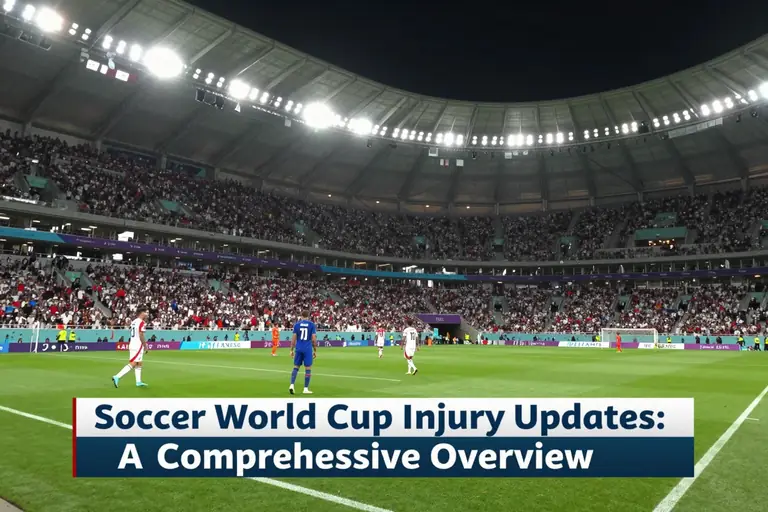
The Unseen Battle: Why Player Injury Updates Matter in the World Cup
The roar of the crowd, the thrill of a last-minute goal, and the sheer spectacle of the FIFA World Cup are what draw billions of eyes every four years. Yet, beneath the surface of dazzling footwork and tactical masterclasses lies a constant, often heartbreaking, struggle: player injuries. These setbacks can derail careers, crush national hopes, and dramatically alter the course of the tournament. That’s why Soccer World Cup Injury Updates are so vital for fans, coaches, and even bettors alike. Understanding the fitness of key players gives us a deeper appreciation for the challenges faced by national teams and the resilience required to compete at the highest level.
From pre-tournament knocks that rule stars out before a ball is even kicked, to mid-tournament twists and turns that force coaches to rethink their strategies, the health of the squad is always a top priority. A single hamstring strain or a twisted ankle can send ripples through an entire team’s morale and performance. This makes tracking all updates not just a matter of curiosity, but a critical element in appreciating the unfolding drama of the global showpiece.
The Impact of Key Player Absences on Tournament Dynamics
Imagine your favorite team, brimming with talent, suddenly losing its captain or top goal scorer just days before a crucial group stage match. The psychological blow alone can be immense. Beyond that, the tactical adjustments required can be complex and challenging to implement on such short notice. A central midfielder who dictates play, a stalwart defender who organizes the backline, or a prolific striker who converts chances – their absence leaves a void that is often difficult to fill, even with a deep squad. This is where the true significance of these updates becomes apparent. They aren’t just isolated news items; they are indicators of potential shifts in power, changes in game plans, and even revised championship odds.
Historically, we’ve seen numerous instances where the absence of a star player due to injury profoundly affected a team’s World Cup campaign. Think of the psychological impact when a nation’s talisman is sidelined. It’s not just about the individual’s skill, but also their leadership, their presence, and the confidence they instill in their teammates. Keeping tabs on Soccer World Cup Injury Updates provides context to unexpected results and helps explain the narrative behind a team’s performance, both good and bad.
Common Types of Injuries and Their Recovery Timelines
Football is a high-impact sport, and the World Cup amplifies the physical demands. Players are pushed to their limits, often playing multiple intense matches in a short period. This increases the risk of various injuries. Some of the most common include:
- Muscle Strains: Hamstring, quadriceps, and groin strains are prevalent due to the explosive movements, sprints, and sudden changes in direction. Recovery can range from a few days for minor strains to several weeks for more severe tears, making them a frequent topic in injury reports.
- Ankle Sprains: Twisting an ankle during tackles or landing awkwardly is common. Depending on the severity, a sprain can sideline a player for days or even the remainder of the tournament.
- Knee Injuries: Ligament damage (ACL, MCL) can be devastating, often requiring surgery and many months of rehabilitation, effectively ending a player’s World Cup dream.
- Concussions: Head injuries are a growing concern in football. Protocols are in place to assess and manage concussions, prioritizing player safety.
- Fatigue-Related Issues: The sheer volume of games and travel can lead to soft tissue injuries or exacerbate pre-existing conditions, which are often highlighted as the tournament progresses.
Understanding these injury types and their general recovery periods helps us interpret the latest Soccer World Cup Injury Updates more effectively. A player with a minor strain might return for the next match, while a more serious injury could spell the end of their participation.
The Role of Medical Teams and Sports Science in Player Fitness
Behind every world-class player is a dedicated team of medical professionals, physiotherapists, sports scientists, and nutritionists working tirelessly to keep them in peak condition. Their role in managing player fitness and rehabilitation is paramount, especially during a demanding tournament like the World Cup. These experts employ advanced techniques for injury prevention, rapid recovery, and performance optimization.
From GPS tracking to monitor player load, to cryotherapy for muscle recovery, and personalized nutrition plans, modern sports science plays a critical role. When an injury does occur, these teams are on the front lines, providing immediate assessment, treatment, and careful rehabilitation plans. Their efforts directly influence the speed and success of a player’s return to the pitch, making their insights invaluable when compiling reports.
“The margin between winning and losing at the World Cup is incredibly fine. Player fitness, and how effectively injuries are managed, can often be the deciding factor.” – A seasoned football analyst.
Navigating the Uncertainty: How Teams Adapt to Injury Blows
One of the hallmarks of a truly great national team is its ability to adapt and overcome adversity. When a key player is ruled out, coaches must quickly recalibrate their strategies. This might involve:
- Tactical Adjustments: Shifting formations, changing playing styles, or assigning new roles to existing players.
- Squad Depth: Relying on reserves who may have less experience but are eager to prove themselves on the biggest stage.
- Mental Fortitude: Rallying the team to maintain focus and belief despite the setback.
The narrative of the World Cup is often shaped by these moments of resilience. A lesser-known player stepping up to fill big shoes can become a tournament hero. Following Soccer World Cup Injury Updates isn’t just about who’s out, but also about who’s in and how they perform under pressure. It adds another layer of intrigue to every match.
Where to Find Reliable Information
In the age of instant information, it’s crucial to rely on credible sources for your Soccer World Cup Injury Updates. Official team announcements, reputable sports news outlets, and trusted football journalists are your best bet. Be wary of speculative reports or unverified social media posts. The official FIFA website, national football association sites, and major sports broadcasters usually provide the most accurate and timely information. Keeping an eye on these channels ensures you’re always up-to-date with the latest developments regarding player fitness and availability.
The World Cup is a marathon, not a sprint, and the physical toll on players is immense. Therefore, accurate and timely injury updates are not just news; they are crucial pieces of the puzzle that help us understand the ebb and flow of the most prestigious football tournament on the planet. They remind us of the human element in this global spectacle, the sacrifices players make, and the relentless pursuit of glory despite physical challenges. Every twist, every turn, every new piece of information about player health contributes to the rich tapestry of stories that make the World Cup so captivating.
As the tournament progresses, the cumulative effect of matches and the pressure of knockout stages make Soccer World Cup Injury Updates even more critical. A player might be able to play through a minor knock in the group stages, but the intensity of a semi-final or final could make that same injury a game-changer. Coaches and medical staff face immense pressure to make the right decisions, balancing a player’s desire to compete with the long-term implications of pushing them too hard. This delicate balance is often reflected in the detailed reports that comprise the latest updates.
Furthermore, the psychological aspect of injuries cannot be overstated. A team that sees multiple key players go down might experience a dip in morale, while a team that manages to keep its squad largely intact benefits from consistency and confidence. These internal dynamics, though harder to measure, are undoubtedly influenced by the stream of Soccer World Cup Injury Updates throughout the competition. It’s a testament to the mental strength of these athletes that they can perform at such a high level amidst these challenges.
So, whether you’re analyzing potential matchups, placing a friendly wager, or simply enjoying the beautiful game, remember that the health of the players is a constant, underlying narrative. Staying informed with comprehensive updates gives you a complete picture of the tournament, allowing you to appreciate the strategies, the performances, and the sheer human effort involved in reaching the pinnacle of international football.
The Broader Implications: Beyond the Pitch
The ripple effect of Soccer World Cup Injury Updates extends far beyond the immediate impact on a team’s performance. For national federations, a severe injury to a star player can have financial implications, affecting sponsorship deals and potential prize money. For the players themselves, a World Cup injury can mean missing out on lucrative club transfers, endorsements, and the invaluable exposure that comes with performing on the world’s biggest stage. Rehabilitation is a long and arduous journey, often requiring immense mental fortitude to return to peak physical condition.
Moreover, the focus on player welfare has intensified in recent years, partly driven by the high-profile injuries seen in major tournaments. Governing bodies like FIFA are constantly reviewing protocols related to player safety, concussion management, and fixture congestion. The insights gained from tracking Soccer World Cup Injury Updates contribute to these ongoing discussions, pushing for better protection for athletes and more sustainable football calendars. This evolution underscores the fact that these updates are not just about who’s playing, but about the very future of the sport and its most valuable assets – the players.
Technological Advancements in Injury Prevention and Recovery
The landscape of sports medicine and player management is continuously evolving. Modern teams leverage cutting-edge technology to minimize injury risk and expedite recovery. Wearable devices, for instance, monitor biometric data in real-time, providing coaches and medical staff with critical insights into a player’s fatigue levels, workload, and physiological responses. This data-driven approach allows for personalized training regimens and rest periods, proactively addressing potential issues before they escalate into full-blown injuries.
Advanced imaging techniques, such as MRI and ultrasound, provide precise diagnoses, enabling targeted treatment plans. Furthermore, rehabilitation protocols incorporate state-of-the-art equipment like anti-gravity treadmills and sophisticated hydrotherapy pools, designed to accelerate healing while minimizing stress on injured areas. The integration of artificial intelligence and machine learning is also beginning to play a role, predicting injury risks based on historical data and player profiles. These technological strides are increasingly reflected in the speed and efficacy of player returns, often highlighted in detailed Soccer World Cup Injury Updates that report on a player’s progress through various stages of recovery.
The Role of Media and Fan Engagement
The media plays a crucial role in disseminating Soccer World Cup Injury Updates, shaping public perception and influencing fan sentiment. Reputable sports journalists often have access to sources within national teams, providing nuanced reports that go beyond official statements. Their analysis can delve into the strategic dilemmas faced by coaches, the psychological impact on players, and the potential implications for upcoming matches. For fans, these updates are a vital part of their engagement with the tournament, fueling discussions, predictions, and even fantasy football leagues.
The demand for immediate and accurate information means that news cycles are incredibly fast during the World Cup. Social media platforms amplify this, with official team accounts, sports reporters, and fan communities all contributing to the constant flow of information. However, this also necessitates a critical approach from consumers, as speculative or unverified reports can sometimes circulate. Discerning credible sources from rumor mills becomes an essential skill for any avid follower of these updates.
FAQ
Q1: How often are Soccer World Cup Injury Updates typically released?
Official Soccer World Cup Injury Updates are usually released daily by national team press officers, especially during the group stages and leading up to key knockout matches. Major news outlets also provide frequent updates as new information becomes available or as players undergo medical assessments. The frequency can increase significantly if a key player sustains a new injury or if there’s a critical development in a player’s recovery.
Q2: Can a player return to the World Cup after being initially ruled out due to injury?
Once a player is officially registered in a team’s final 23-man squad for the World Cup, they cannot be replaced unless they sustain a serious injury before their team’s first match. If they are injured after the first match, they cannot be replaced, even if the updates suggest a long recovery. They remain part of the squad but are unavailable to play. This rule emphasizes the importance of squad depth and robust medical assessments prior to the tournament.
Q3: Do Soccer World Cup Injury Updates include information on minor knocks or only serious injuries?
Generally, Soccer World Cup Injury Updates from official sources tend to focus on injuries that might affect a player’s availability for upcoming matches, whether it’s a minor knock that keeps them out for a few days or a more serious injury. Coaches are often strategic in what information they release, sometimes being vague to avoid giving opponents an advantage, but significant issues are usually disclosed. Media outlets, however, often report on even minor concerns, given the high interest in player fitness during such a prestigious event.
Q4: How do teams manage the mental aspect of injuries during the World Cup?
Teams employ sports psychologists and mental conditioning coaches to support players dealing with injuries. This support is crucial not only for the injured player, who might be grappling with disappointment and the pressure to recover, but also for the rest of the squad. Maintaining team morale and focus when key players are sidelined is a significant challenge. Soccer World Cup Injury Updates often hint at the psychological state of players and teams, even if not explicitly stated, through their recovery timelines and public statements.
Q5: What long-term effects can World Cup injuries have on a player’s career?
A severe injury sustained during the World Cup can have profound long-term effects. It can lead to prolonged periods of absence from club football, impacting a player’s form, market value, and even their overall career trajectory. Some injuries might require multiple surgeries or lead to chronic issues, shortening a player’s career or forcing them to adapt their playing style. The pressure to return quickly for such a high-stakes tournament can sometimes lead to re-injury or insufficient recovery, highlighting the delicate balance between competitive drive and player well-being.